The plant actives that promote blood circulation topically help to effectively distribute nutrients and eliminate skin toxins resulting from cellular metabolism and external factors such as environmental pollution.
Products formulated with these plant actives are used as adjuvants for various treatments:
Varicose veins, capillary fragility, phlebitis, Osteoarticular inflammations, Muscle contractures, Heavy legs, Cramps, Edemas, Cellulitis, Dental pain, Elimination of toxins, Cerebral insufficiency, Headaches, Memory loss, Decreased intellectual performance, Hemorrhoids and Arterial hypertension.
The active principles responsible for these actions are mainly flavonoids, tannins, and essential oils. The synergistic action with other plant actives specific to each species is crucial for the potency and effectiveness of the treatments.
Below, we will develop a series of plant drugs whose action is, among others, as a circulatory activator. It must be remembered that the prescription of plant drugs in any pharmaceutical form must be performed by a physician.
ROSEMARY EXTRACTS (Rosmarinus officinalis L.)
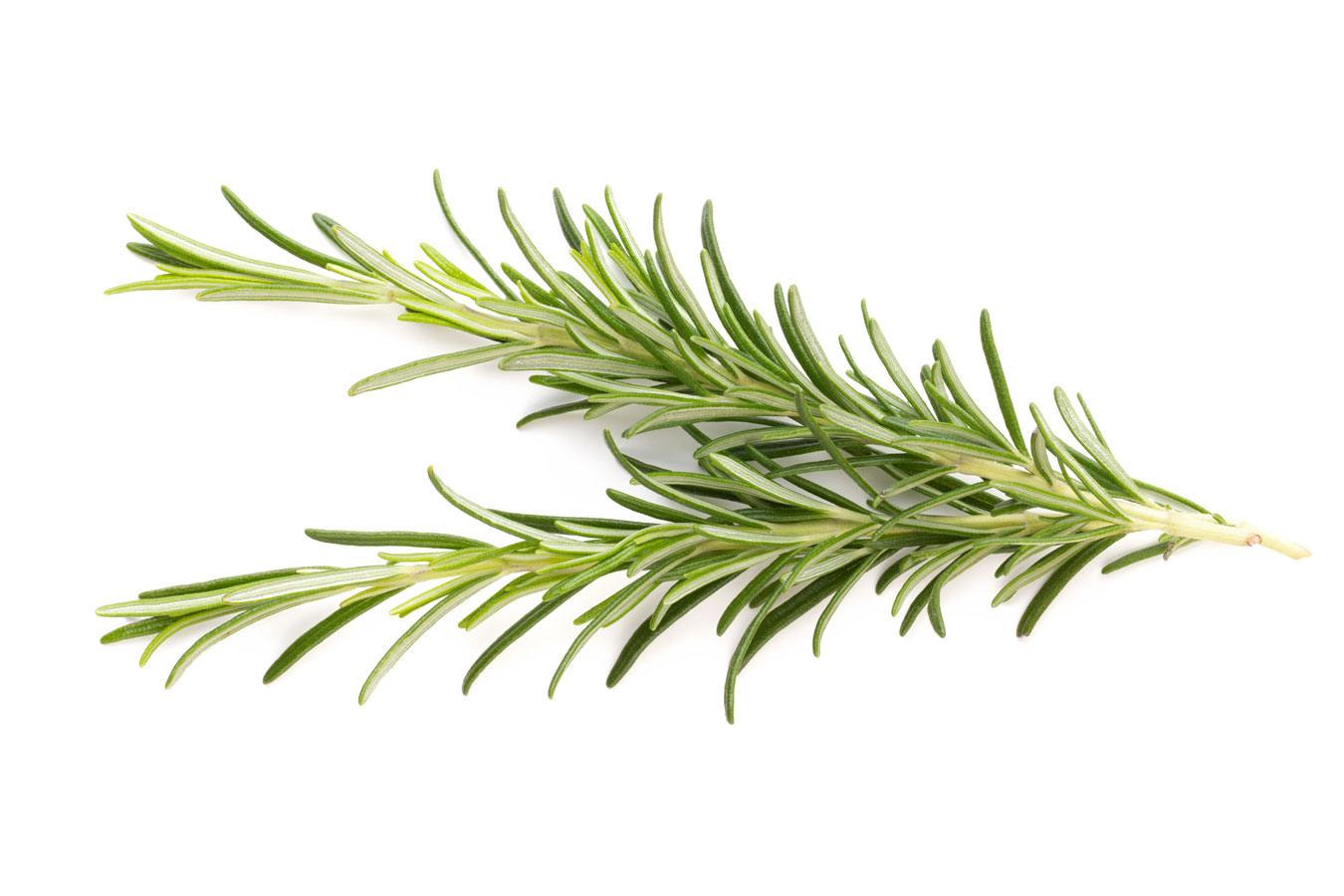
Originally from the Mediterranean region, since ancient times and up to the present day, it has been considered an effective tonic for the whole body and mind. Topically, its essential oils provide a circulatory activating, antifungal (anti-dandruff products), and antiseptic effect.
It is also an antioxidant due to the free radical–scavenging action of carnosol, ursolic acid, and rosmarinic acid. The latter is attributed with the action of stimulating hair growth, which is why many hair formulations contain its extracts along with those of Sage (Salvia officinalis L.). The tannins have an astringent and healing effect.
Internally, the essential oils are CNS stimulants and, together with the flavonoids, act as a diuretic and digestive stimulant. Diosmin is a flavonoid more effective and potent than rutin for the reduction of capillary permeability.
The most common indications are in:
Osteoarticular inflammations, Neuralgias, Alopecia, Dandruff, Seborrheic dermatitis, Venous insufficiency, Healing and Antiseptic.
TECHNICAL SHEET |
Common Names | Rosemary |
Scientific Name | Rosmarinus officinalis L. |
Plant Drug | Leaf |
Pharmacological Actions | Venotonic, vasoprotective, anti-inflammatory, anti-edematous, diuretic, antioxidant, antifungal, antiseptic, healing, astringent, digestive stimulant, and hair growth stimulant. |
Indications | Varicose veins, tired legs, edema, post-phlebitis recovery, capillary fragility, neuralgias, osteoarticular inflammations, alopecia, dandruff, wound treatment. |
Available Products | Tincture, Dry Extracts, Fluid Extract, Glycolic Extracts, Liposoluble Extracts. |
CAYENNE EXTRACTS (Capsicum annuum L. and Capsicum frutescens L.)
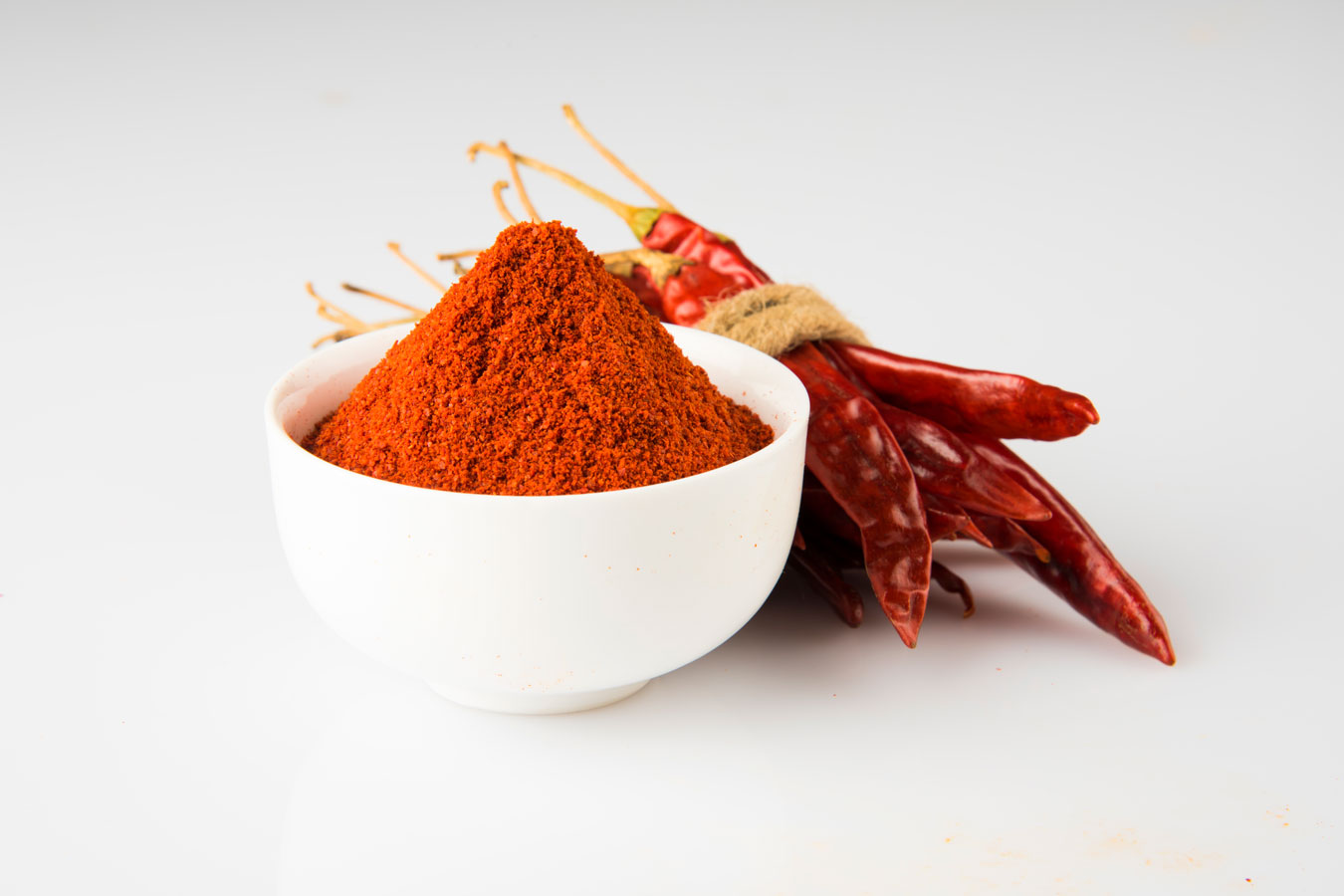
Of American origin, it was later introduced to Europe and other countries with temperate or tropical climates.
There are more than 30 known species, although only five of them are cultivated for food, cosmetic, medicinal, and personal protection uses.
It is an excellent circulatory stimulant, as it increases blood flow in the treated area, producing a mild thermogenic, analgesic, and anti-inflammatory effect.
It has tonic and antiseptic properties, stimulates appetite and gastric juice secretion, increases gastric and intestinal motility. It has antioxidant action due to the presence of carotenoid compounds and capsaicins.
In animal experiments, a decrease in urea, total lipids, and glucose has been observed. Externally, it is rubefacient and analgesic. Among other active principles, it contains capsaicin, flavonoids, vitamins A, B1, and C, essential oil, etc.
The most common indications are:
Lumbago, Alopecia, Pharyngitis, Osteoarticular inflammations, Post-herpetic neuralgias, Other neuralgias, Hyposecretory dyspepsia, and Anorexia.
TECHNICAL SHEET |
Common Names | Cayenne, chili pepper, capsicum, chile. |
Scientific Name | Capsicum annum L - Capsicum frutescens L. |
Plant Drug | Fruit. |
Pharmacological Actions | Circulatory stimulant, thermogenic, tonic, antiseptic, digestive stimulant. Externally, rubefacient, analgesic. |
Indications | External use: lumbago, pharyngitis, alopecia areata, osteoarticular inflammations, post-herpetic neuralgias, and other neuralgias. Internal use: anorexia, hyposecretory dyspepsia. |
Available Products | Tincture, Dry Extracts, Fluid Extract, Glycolic Extracts, Liposoluble Extracts, Oleoresins. |
Other plant extracts with Circulatory Activator action:
∙ Cinnamon (Cinnamomum zeylanicum BLUME.)
∙ Black Pepper (Piper nigrum L.)
∙ Red Vine (Vitis vinifera L.)
∙ Hawthorn (Crataegus oxyacantha L.)
∙ Witch Hazel (Hamamelis virginiana L.)
∙ Sweet Clover (Melilotus officinalis L.)
∙ Bitter Oranges (Citrus aurantium L.)


