The plant actives that promote blood circulation topically help to effectively distribute nutrients and eliminate skin toxins resulting from cellular metabolism and external factors such as environmental pollution.
Products formulated with these plant actives are used as adjuvants for various treatments:
Varicose veins, capillary fragility, phlebitis, Osteoarticular inflammations, Muscle contractures, Heavy legs, Cramps, Edemas, Cellulitis, Dental pain, Elimination of toxins, Cerebral insufficiency, Headaches, Memory loss, Decreased intellectual performance, Hemorrhoids and Arterial hypertension.
The active principles responsible for these actions are mainly flavonoids, tannins and essential oils. The synergistic action with other plant actives specific to each species is determining in the potency and effectiveness of treatments.
Below, we will develop a series of plant drugs whose action is, among others, as a circulatory activator. It must be remembered that the prescription of plant drugs in any pharmaceutical form must be performed by a physician.
EXTRACTS OF GINKGO (Ginkgo biloba L.)
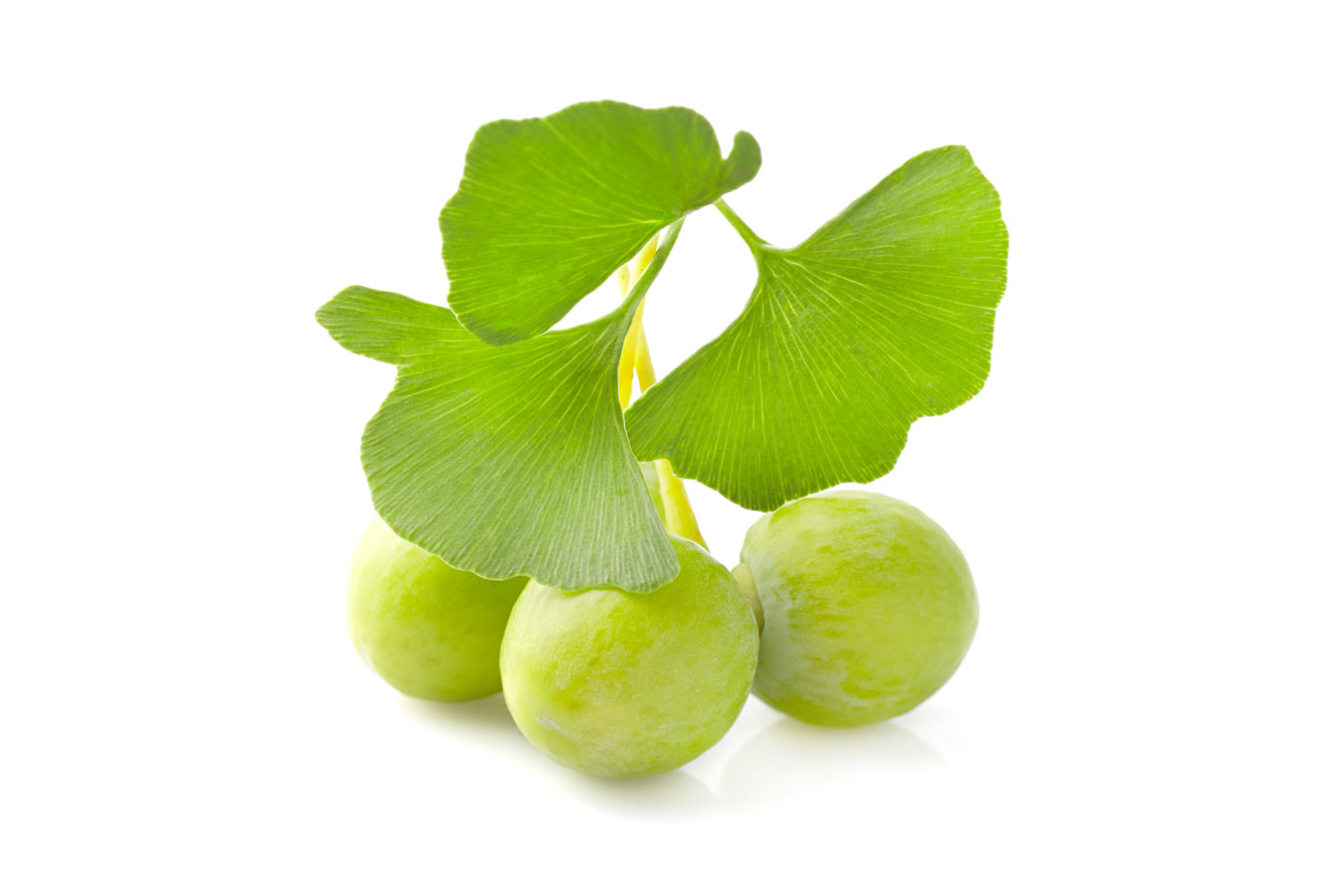
It is native to China, Korea and Japan, has a calculated age of 200 million years and became extinct in the wild. It survived in eastern temples for being considered a sacred tree.
The flavonoids, biflavones and terpenes are responsible for its peripheral circulatory activity, that is with a more accentuated action in the brain, hands and feet.
It is an antiplatelet aggregant due to the action of ginkgolides (especially ginkgolide B) and flavonoids act as antioxidants and anti-free radicals.
Other activities and areas where Ginkgo biloba extracts are used: Brain metabolism, Memory, Senile dementia – Alzheimer's disease, Ophthalmic area (microcirculation), Auditory area, Peripheral vascular action (varicose veins), Respiratory tract, Immunological and anti-infective activity, Sexual activity (impotence) and Gynecology (pre-menstrual syndrome).
TECHNICAL SHEET |
Common Names | Ginkgo, Maidenhair tree. |
Scientific Name | Ginkgo biloba L. |
Plant Drug | Leaf |
Pharmacological Actions | Neuroprotective, peripheral vasodilator, capillary protector (increases capillary resistance and decreases permeability), Venotonic, antiplatelet aggregant, diuretic. |
Indications | Cerebral insufficiency, headaches, memory loss, decreased intellectual performance, vertigo, varicose veins, hemorrhoids, capillary fragility, phlebitis, arterial hypertension, retinopathies, prevention of arteriosclerosis and thromboembolisms. |
Available Products | Tincture, Dry Extracts, Fluid Extract, Glycolic Extracts, Liposoluble Extracts. |
GINGER EXTRACTS (Zingiber officinale Roscoe.)
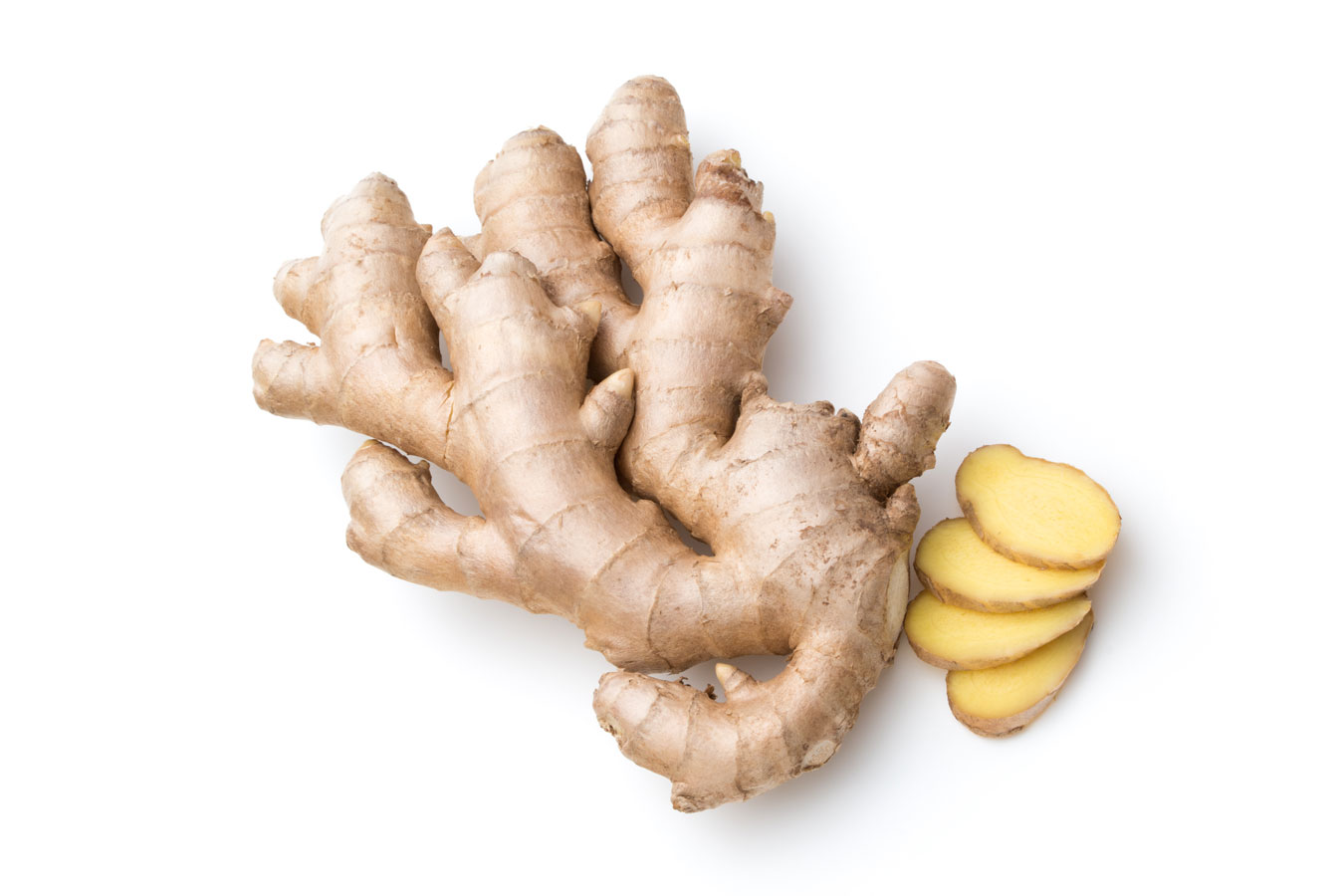
This plant drug has been used in traditional medicine for over 2000 years. In Chinese medicine it is considered hot and dry to treat conditions that produce cold states such as cough, colds, flu, lung conditions, etc.
Topically it produces a rubefacient and analgesic effect so it is used in osteoarticular inflammations, myalgias, muscle contractures, neuralgias and dental pain. It has Analgesic and Anti-inflammatory action and is used for treatments of arthritis, rheumatism and muscle pain.
Its antiemetic activity makes it useful in post-surgical cases, air or sea travel, and pregnant women. It is a digestive stimulant, antiulcer, antigastralgic, laxative, and antiflatulent, which is why it is used as an adjuvant in the treatment of digestive problems, ulcers, gastritis, abdominal edema, and flatulence.
It is also antitussive, expectorant, antibacterial, anti-infective, diaphoretic, and antipyretic, which is why it is used for respiratory conditions, colds, flu, and related illnesses. Other actions include hypoglycemic and hypocholesterolemic.
TECHNICAL SHEET |
Common Names | Ginger, ginger, ginger, ajijilla, ajilla. |
Scientific Name | Zingiber officinale Roscoe |
Plant Drug | Rhizome |
Pharmacological Actions | Topically, it produces a rubefacient and analgesic effect. It is antitussive, expectorant, hypolipidemic, and hypoglycemic. Appetizer, digestive stimulant, cholagogue, antigastralgic, antiulcer, sialagogue, carminative, spasmolytic, laxative. |
Indications | Topical: osteoarticular inflammations, myalgias, muscle contractures, neuralgias and dental pain. Also in arthritis, rheumatism and muscle pain. Internal: flu, colds, rhinitis, diabetes, prevention of arteriosclerosis, vertigo, motion sickness. Loss of appetite, gastroduodenal ulcer. |
Available Products | Tincture, Dry Extracts, Fluid Extract, Glycolic Extracts, Liposoluble Extracts. |
Other plant extracts with Circulatory Activator action:
∙ Cinnamon (Cinnamomum zeylanicum BLUME.)
∙ Black Pepper (Piper nigrum L.)
∙ Red Vine (Vitis vinifera L.)
∙ Hawthorn (Crataegus oxyacantha L.)
∙ Witch Hazel (Hamamelis virginiana L.)
∙ Sweet Clover (Melilotus officinalis L.)
∙ Bitter Oranges (Citrus aurantium L.)


