Plant extracts used in anticellulite treatments
Next we will develop information about plant extracts and natural active ingredients that are used in the treatment of cellulite.
Basically, plant-based active ingredients should increase blood circulation topically, reduce fluid retention in areas affected by cellulite, and collaborate in the mobility and elimination of toxins.
Hedera Extracts
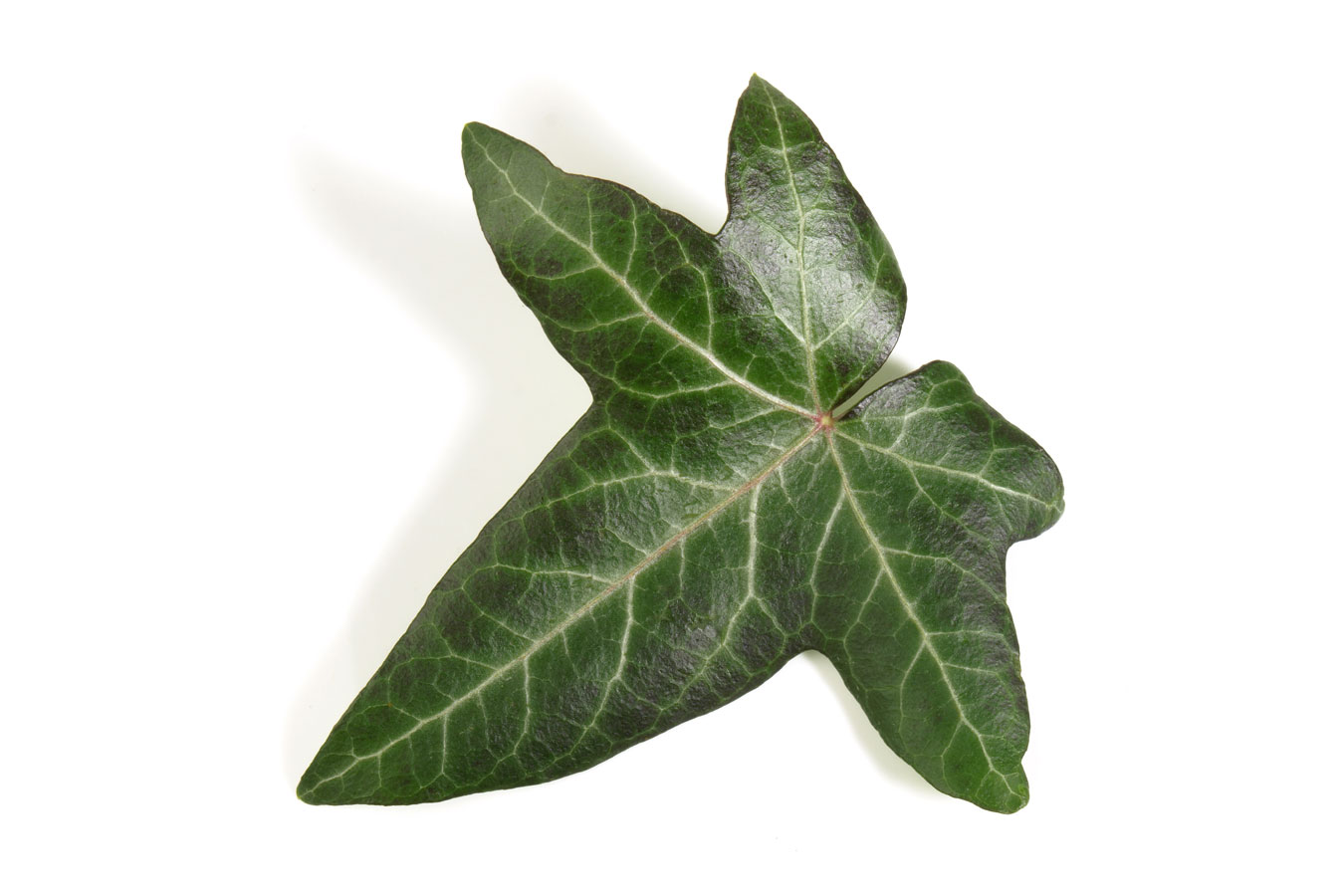
This plant is native to Europe, although it is widely distributed in temperate regions. In our country it is cultivated as an ornamental plant in gardens, presenting different shapes and colors in its foliage.
As a curiosity, in antiquity it was associated with fidelity and immortality due to the fact that it is a plant that lives up to 500 years.
Its active principles give it various properties: Anti-cellulite, Lipolytic and Circulatory stimulant.
In external use formulations it is used for anti-cellulite treatments in cream and soap formulations contributing to the elimination of toxins and lipids.
The saponins produce an increase in cutaneous absorption and favor the diffusion of other active principles.
Expectorant, Antispasmodic, Antibacterial and Analgesic.
In internal use formulations it is used to treat spasmodic cough and bronchitis.
In dentistry it is part of the formulation of mouthwashes to control bacterial plaque formation and as caries prevention.
Technical Data Sheet |
Common Names | Hedera, Ivy, Ivy, Ivy |
Scientific Name | Hedera helix L. |
Plant Drug | Aerial Parts, leaf and stem. |
Pharmacological Actions | Expectorant, diuretic, antispasmodic, mild sedative, antibacterial, anthelmintic, antifungal, anticellulite, analgesic, lipolytic. |
Indications | Internal use: Bronchitis, asthma, emphysema. External use: dissolution of cellulite nodules, stretch mark treatment, wound healing, varicose vein treatment, trophic or varicose ulcers, rheumatism, neuralgias. |
Available Products | Tinctures, Dry Extracts, Hydroglyceric Extract, Fluid Extract, Glycolic Extract. |
Centella Extracts
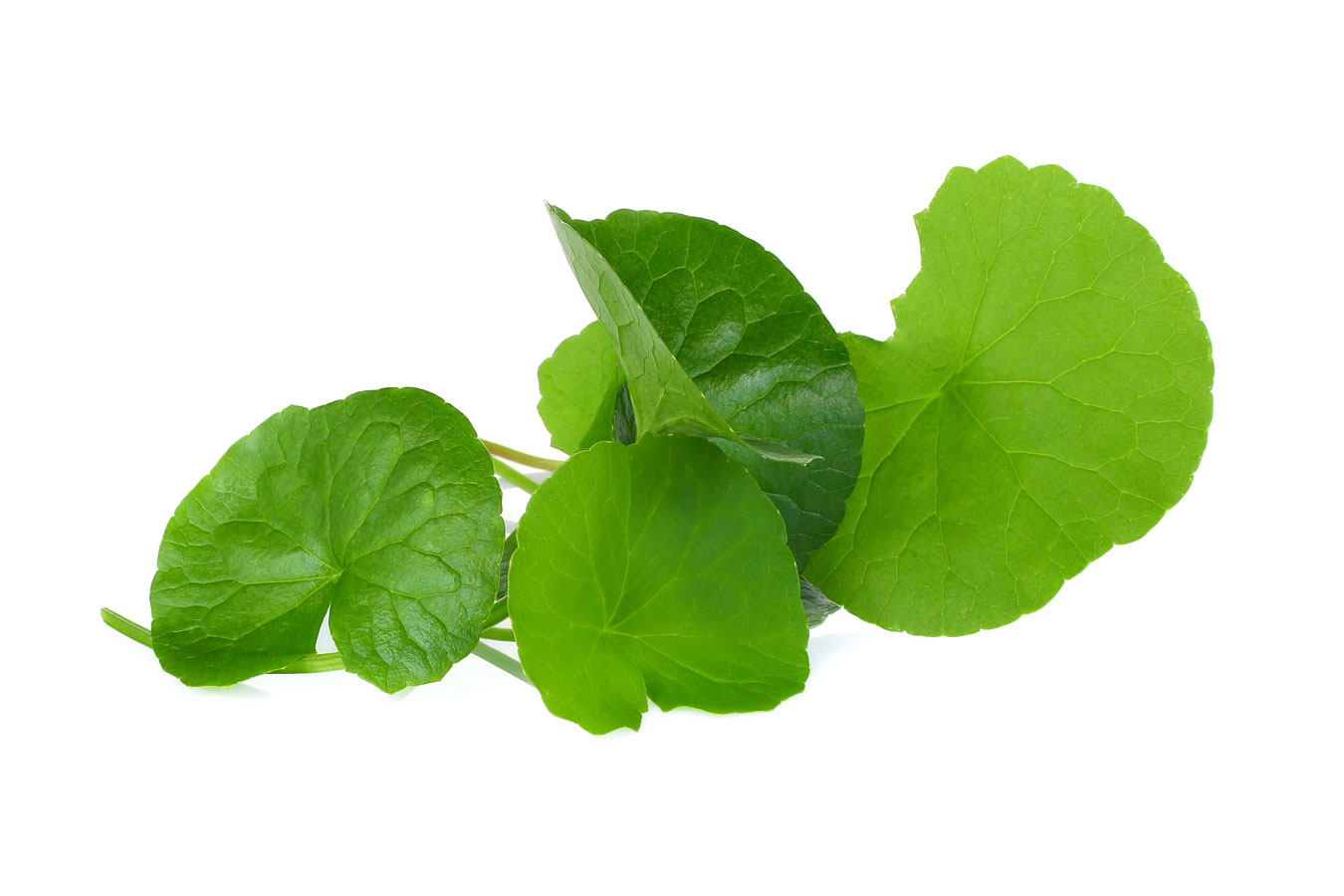
Plant native to Asia, Eastern Europe and North America.
In antiquity it was used to combat leprosy, as a stimulant tonic, purgative and emetic.
It is an excellent cellular tonic that helps normalize the reconstruction of connective tissue. It is used for the treatment of localized lipotrophies (cellulite) and venous insufficiency due to its active action as a peripheral vasodilator. The asiaticoside gives it re-epithelializing action, reinforced by the action of tannins with astringent effect. It is also antiseptic and antipruritic.
Internally it presents general tonic, antidepressant and venotonic action.
Among the main actions of Centella Extracts, we can include: Anti-cellulite, Lipolytic, Re-epithelializing, Healing, Antiseptic, Antipruritic, Venotonic, Spasmolytic and Antidepressant.
It is used topically for the treatment of wounds, dermal ulcers, eczemas, erythema, burns, stretch marks, psoriasis, dermatitis and pruritus.
Internally it is used in treatments of venous insufficiency and depression.
Technical Data Sheet |
Common Names | Centella, Asiatic Centella, Hydrocotile |
Scientific Name | Hydrocotile asiatica L |
Plant Drug | Whole plant, leaf and stem. |
Pharmacological Actions | Anti-cellulite, lipolytic, healing, astringent, capillary protector, anti-inflammatory, antispasmodic, CNS sedative. |
Indications | Topical use: wounds, dermal ulcers, eczemas, erythema, burns, stretch marks, psoriasis, dermatitis and pruritus. Internal use: venous insufficiency and depression. |
Available Products | Tinctures, Dry Extracts, Hydroglyceric Extract, Fluid Extract, Glycolic Extract, Liposoluble Extracts. |


