From Proyar Laboratory we want to share with you the 1st part of an exclusive article for our clients, written by Dr. Jorge Alonso. Physician, MN 67.640, Director of the Phytomedicine postgraduate program at U.B.A. and President of the Latin American Society of Phytomedicine.
The arrival of winter each year brings an adaptive change in the immune system, as new viruses and bacteria appear in the environment that challenge our defenses. Although the body “is wise” and prepares its defensive arsenal against these new threats, in many cases this defense system is insufficient, as many viruses mutate and are not recognized by the immune defenses. This occurs mainly with the Influenza virus (related to the flu), which brings new versions year after year, preventing a fully effective vaccine. Contributing factors include old age (where lymphocyte and antibody production is lower) as well as diseases that increase risk, such as diabetes, cancer, immunodeficiencies, a history of pulmonary diseases, crowded living conditions, and more.
In this context, we can support our immune system through various measures, such as proper nutrition (healthy, balanced in nutrients, and with an adequate caloric intake), physical activity appropriate for weight and age, and body therapies aimed at harmonizing body and mind (yoga, meditation, mindfulness, tai chi, qigong, etc.). However, there is an additional contribution considered the most important among the resources we can incorporate, which is none other than the benefits provided by medicinal plants, one of the ancestral resources that has coexisted alongside human evolution.
The plants we should select to face winter illnesses are those that, beyond having an immune-stimulating action, can provide broad antimicrobial effects, especially against winter viruses. In this group, echinacea stands out, whose aerial parts and roots have shown ample effectiveness in clinical trials against various strains of the influenza virus. During the avian and swine flu epidemic of 2009, echinacea provided significant protective benefits to the population, achieving greater efficacy than the drug oseltamivir, which was chosen by the pharmaceutical industry. Additionally, echinacea has demonstrated in preclinical studies inhibitory effects against SARS and MERS coronavirus strains, related to COVID-19.

Echinacea should be taken (in its various forms, such as tinctures or tablets) for three consecutive weeks, followed by a 14-day break, after which a new cycle of weeks can be repeated. This regimen has consistently proven very effective in preventing flu infection. Even in individuals who contracted the flu, echinacea significantly reduced the number of bed-rest days during recovery.
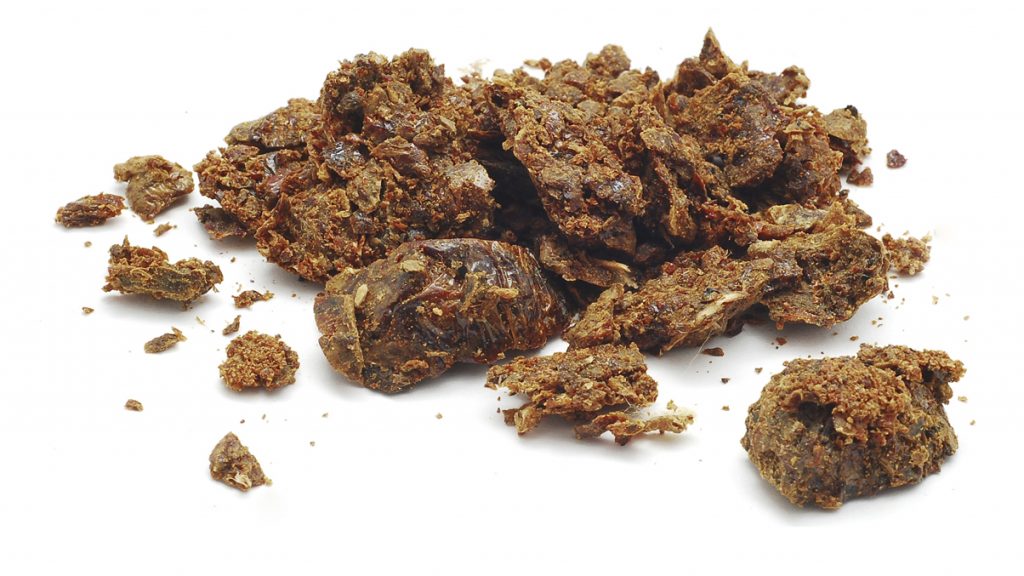
A product that has also demonstrated excellent antibacterial and antiviral qualities is propolis, produced by bees to protect their hive. Propolis contains a highly valued active principle (even during the COVID-19 and Dengue pandemics) called quercetin. This flavonoid has been shown to inactivate proteins that facilitate the entry of viruses and bacteria into the respiratory tract. Additionally, the polyphenols in propolis provide antioxidant, anti-inflammatory, and immune-stimulating functions. Propolis can be taken orally as a spray (to apply to the oropharyngeal area), in lozenges, or as tinctures.


